
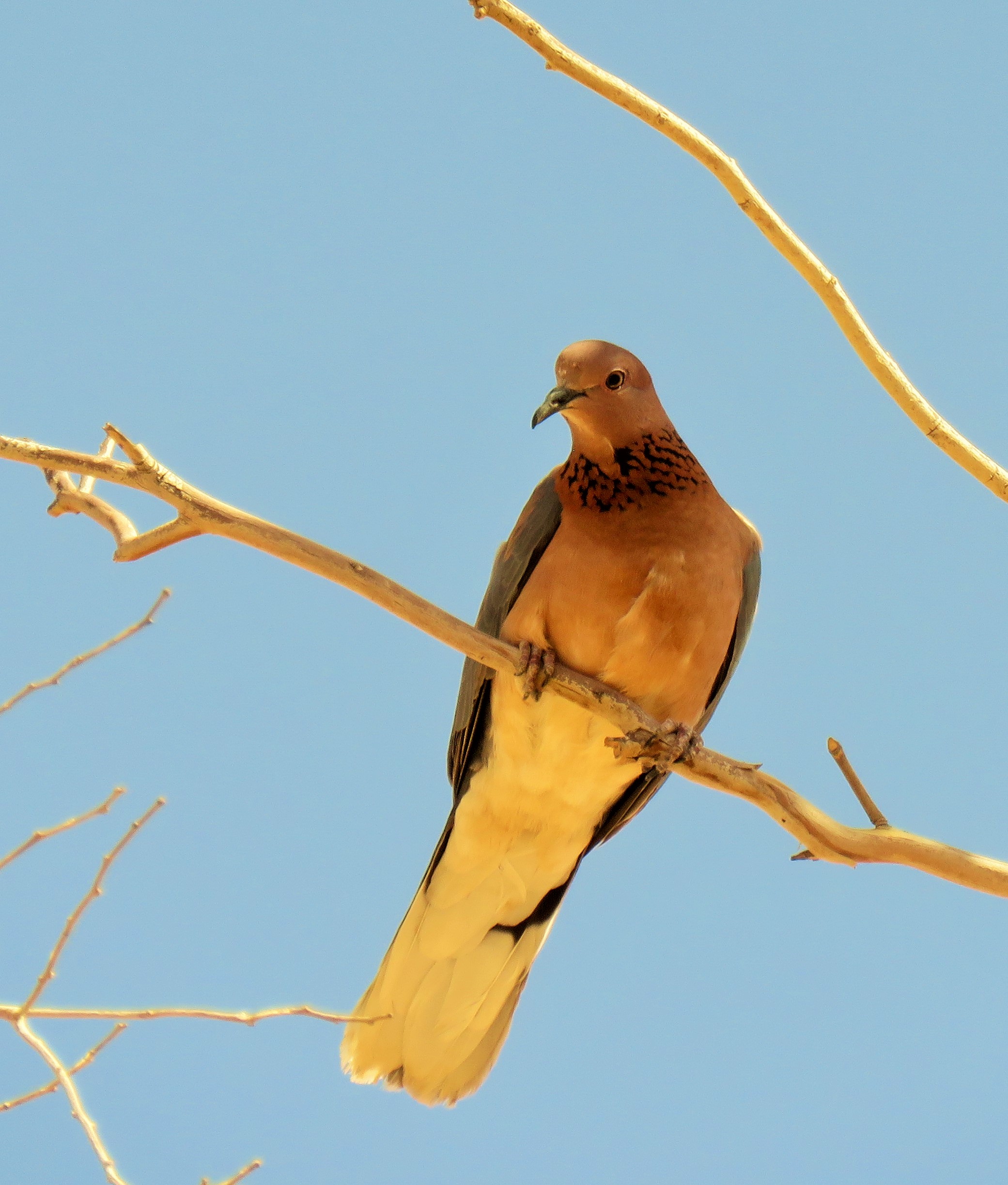
Ornithology is the study of birds in relation to agriculture, focusing on their impact, both beneficial and harmful, and developing management strategies. It involves researching how birds contribute to agriculture, such as controlling pests and pollinating crops, while also addressing conflicts when certain species damage crops or stored grains. Ultimately, it uses scientific information to manage bird populations to benefit agriculture, which includes conserving useful species and controlling problematic ones.
- المعلم: Aicha Benhadjira
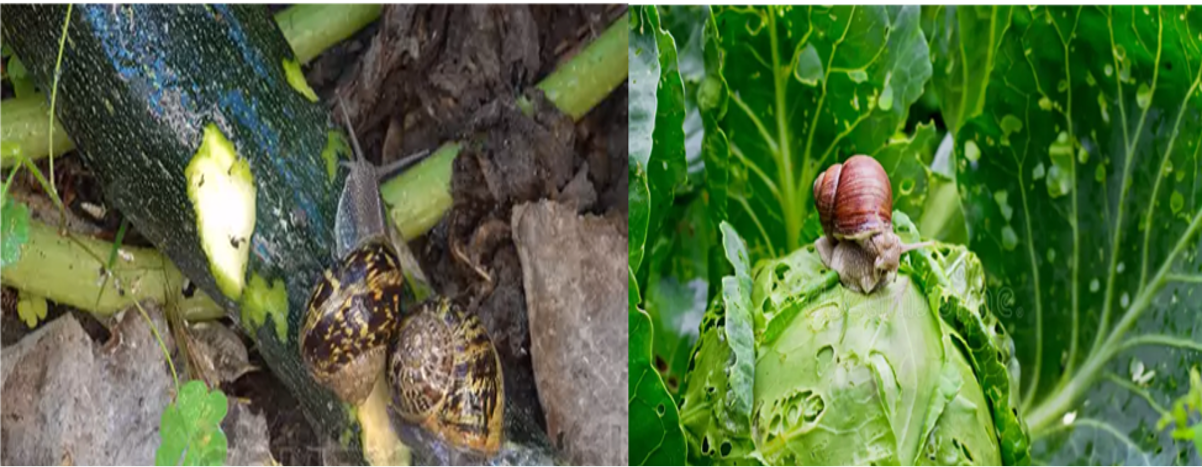
From an agricultural point of view, gastropods are of interest in three ways: to zootechnicians, veterinarians and zoophytologists. In market gardening and fruit growing, they can cause significant damage. This alone is reason enough to take an interest in them. Zoophytologists need to have basic knowledge about these potential pests, such as taxonomic criteria for recognising them, an understanding of their life cycles, details of the symptoms of the damage they cause, and techniques for controlling them.
- المعلم: سارة بن عبد الله
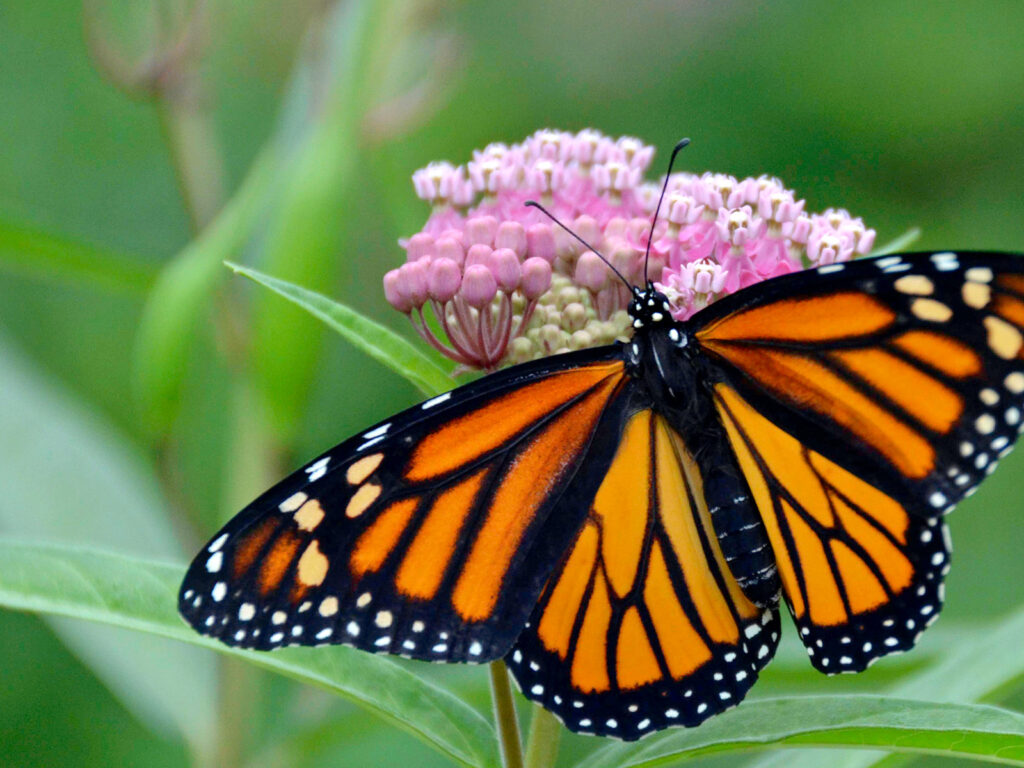
This module provides foundational knowledge on the internal and external structures of insects that are considered pests in agriculture, public health, and stored-product systems. It focuses on understanding how the anatomy and physiological processes of insects support their survival, reproduction, feeding, and adaptation to different environments. It will explain key systems, including the digestive, respiratory, circulatory, nervous, reproductive, and endocrine systems, as well as external morphology and sensory structures. Emphasis is placed on linking anatomical and physiological traits to pest behavior, damage mechanisms, and vulnerabilities that can be targeted in pest management strategies.
- المعلم: Randa Mlik